Information
Keeping Your Garden Healthy During Hot Weather: The Benefits of Rainwater Harvesting
As temperatures rise and periods of dry weather become more frequent, keeping a garden healthy can become a real challenge.
Hot weather places extra stress on plants, dries out soil more quickly, and can significantly increase water usage. Fortunately, with a few smart gardening practices and the use of rainwater harvesting, you can help your garden thrive while reducing pressure on mains water supplies.
Why Rainwater Makes A Difference
Extended periods of heat can cause a range of problems for plants and lawns, including:
- Wilting and dehydration
- Scorched leaves and flowers
- Reduced growth and crop yields
- Increased susceptibility to pests and diseases
- Dry, compacted soil that struggles to retain moisture
The key to protecting your garden is maintaining consistent moisture levels while using water as efficiently as possible.
4 Top Tips for Gardening in the Summer
Collect and Use Rainwater
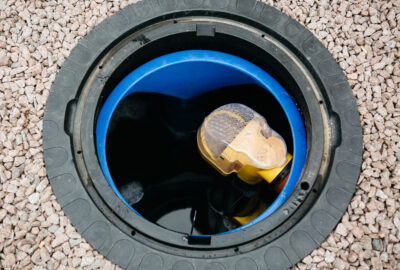
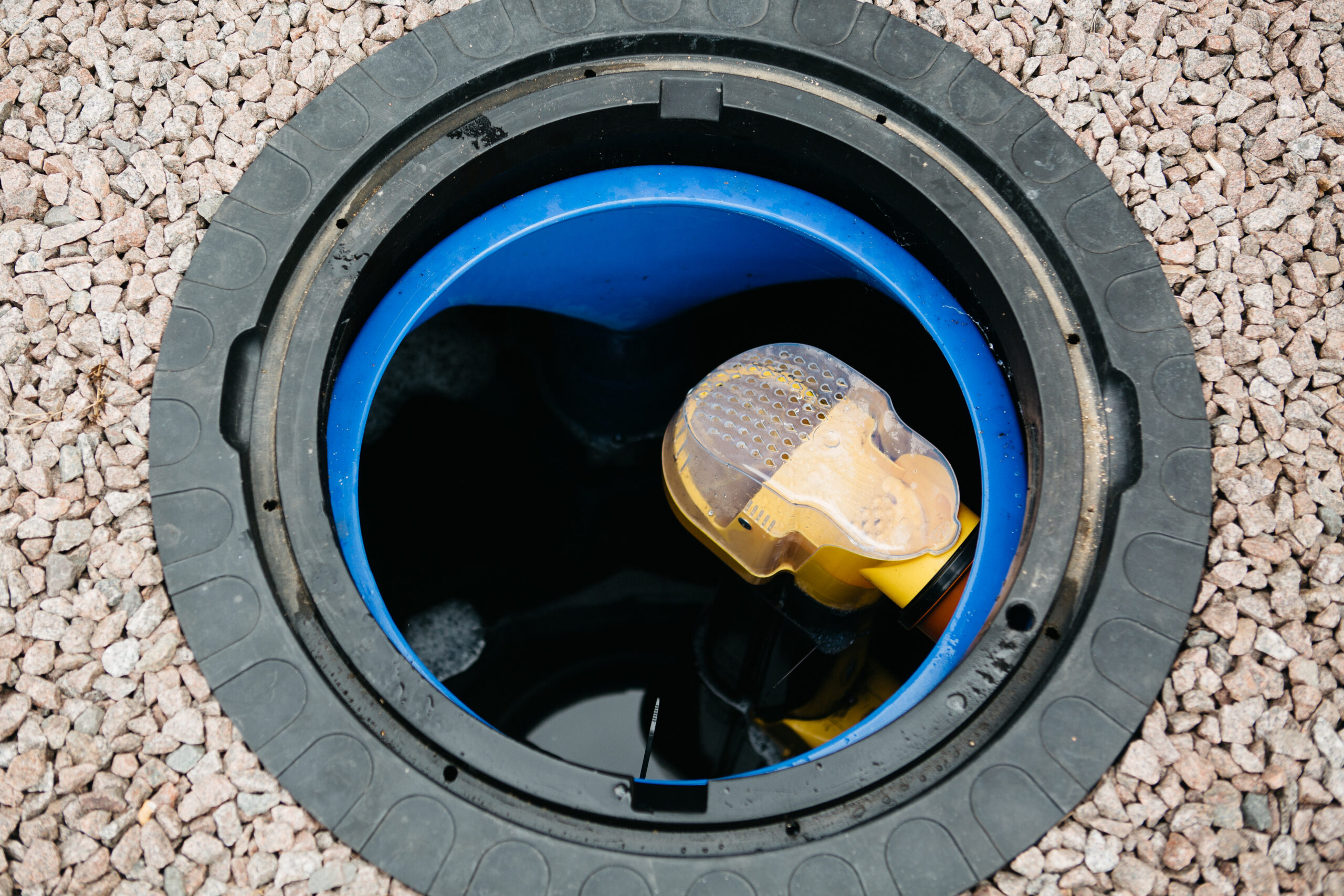
One of the most effective ways to keep your garden healthy during hot weather is by harvesting rainwater. Installing a water butt connected to your roof’s downpipe’s allows you to collect and store rainwater during wetter periods for use when temperatures rise.
Rainwater offers several advantages:
- It is free and readily available.
- It reduces reliance on mains water.
- It is naturally soft and often preferred by many plants.
- It helps conserve local water resources during periods of high demand.
Even a modest-sized water butt can provide valuable reserves for watering plants during dry spells.
Mulch to Lock in Moisture
Applying a layer of mulch around plants is one of the simplest ways to reduce water loss.
Suitable mulching materials include:
- Compost
- Bark chips
- Straw
- Leaf mould
- Well-rotted manure
A 5–10 cm layer of mulch helps keep roots cool, suppresses weeds, and reduces evaporation from the soil surface.
Water Smarter, Not More
When temperatures soar, timing is everything.
The best times to water are:
- Early morning before the sun becomes intense.
- Late evening after temperatures begin to cool.
Avoid watering during the middle of the day, as much of the water will evaporate before reaching plant roots.
Using harvested rainwater for these watering sessions makes your garden care both environmentally friendly and cost-effective.
Prioritise Vulnerable Plants
If water supplies become limited, focus your efforts on plants that need it most, such as:
- Newly planted shrubs and trees
- Hanging baskets and containers
- Vegetable crops
- Young seedlings
Established trees, shrubs, and lawns are generally better equipped to withstand short periods of drought.
Hot weather doesn’t have to mean struggling plants and soaring water bills. By harvesting rainwater and adopting efficient watering practices, gardeners can create healthier, more resilient outdoor spaces while supporting water conservation efforts.
Whether you start with a single water butt or invest in a larger rainwater harvesting system, every litre collected can help your garden flourish through the warmest months of the year.
With a little preparation today, your garden can stay green, vibrant, and productive throughout the summer season.
About Author