Information
Grow Smarter, Not Harder: Why Allotment Gardeners Should Be Collecting Rainwater at Home
Grow Smarter, Not Harder: Why Allotment Gardeners Should Be Collecting Rainwater at Home
If you’ve spent any time on an allotment, you’ll know one thing for certain—water is never as convenient as you’d like it to be.
Whether it’s queues at the tap, long walks with heavy watering cans, or worrying about how your plot will cope during a dry spell, managing water is part of the routine. But here’s something many allotment gardeners overlook:
👉 The easiest way to improve your results at the allotment often starts at home.
The Reality of Watering an Allotment
Allotment gardening teaches you to be resourceful. You learn quickly how to:
- Make the most of what you have
- Plan ahead
- Adapt to changing weather
But water access can still be a limiting factor.
On hot days, plants need consistency. Miss a watering window, and you’ll see it almost immediately—wilting leaves, slower growth, reduced yields.
And when water is limited or inconvenient, consistency becomes difficult.
Thinking Beyond the Plot
Most allotment gardeners focus all their effort on the plot itself—but that’s only part of the picture.
What happens at home matters too.
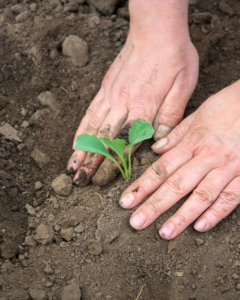
Seedlings, young plants, and even backup crops often start there. And the way you water them early on can have a lasting impact once they’re transplanted.
This is where rainwater becomes a simple but powerful advantage.
Why Rainwater Makes A Difference
Rainwater is what your plants are naturally adapted to. Unlike treated tap water, it’s:
- Free from added chemicals
- Softer and gentler on soil
- Easily absorbed by roots
For seedlings especially, this can lead to:
- Stronger root systems
- Healthier early growth
- Better resilience after transplanting
It’s not a dramatic overnight change—but over a season, the difference becomes clear.
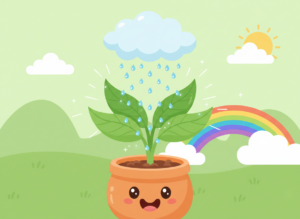
Reduce the Pressure on Your Allotment
One of the biggest hidden benefits of collecting rainwater at home is this:
👉 You rely less on your allotment water supply.
Instead of doing everything on-site, you can:
- Grow stronger plants at home before moving them
- Keep a reserve system for dry periods
- Reduce the number of watering trips needed
It won’t replace allotment watering entirely—but it makes the whole process easier and more manageable.
Be Ready for Dry Spells
If you’ve had an allotment for more than a season, you’ve likely experienced it:
- Weeks with little to no rain
- Restrictions on water use
- Increased pressure on shared resources
These periods separate prepared gardeners from reactive ones.
Having stored rainwater at home gives you options. It’s a buffer that helps you stay consistent when conditions aren’t.
A Smarter Way to Garden
Allotment gardening is about more than just growing—it’s about efficiency, sustainability, and making smart use of resources.
Collecting rainwater fits perfectly into that mindset.
It allows you to:
- Use what’s freely available
- Reduce reliance on treated water
- Support healthier plant growth
And once it’s set up, it becomes part of your routine without adding extra effort.
Getting Started Is Easier Than You Think
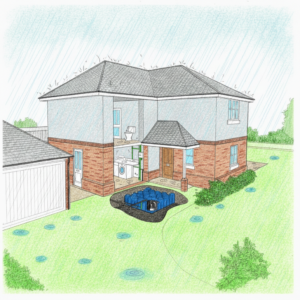
You don’t need a complex system to begin collecting rainwater.
A simple setup at home can:
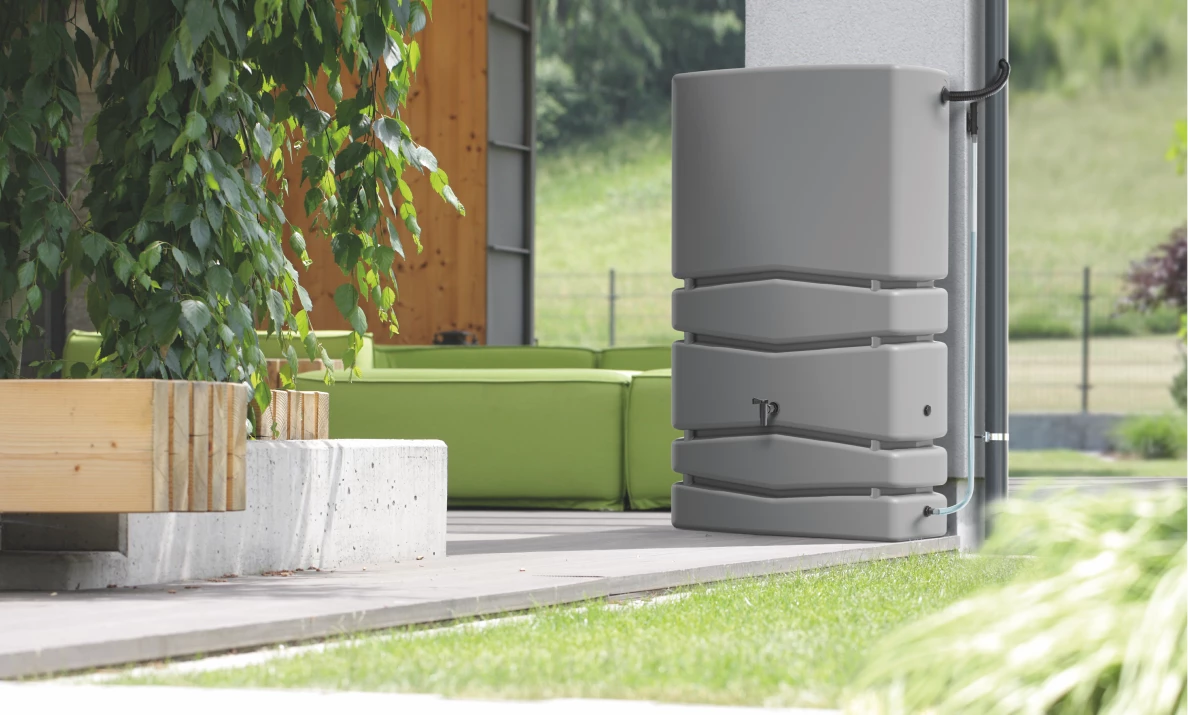
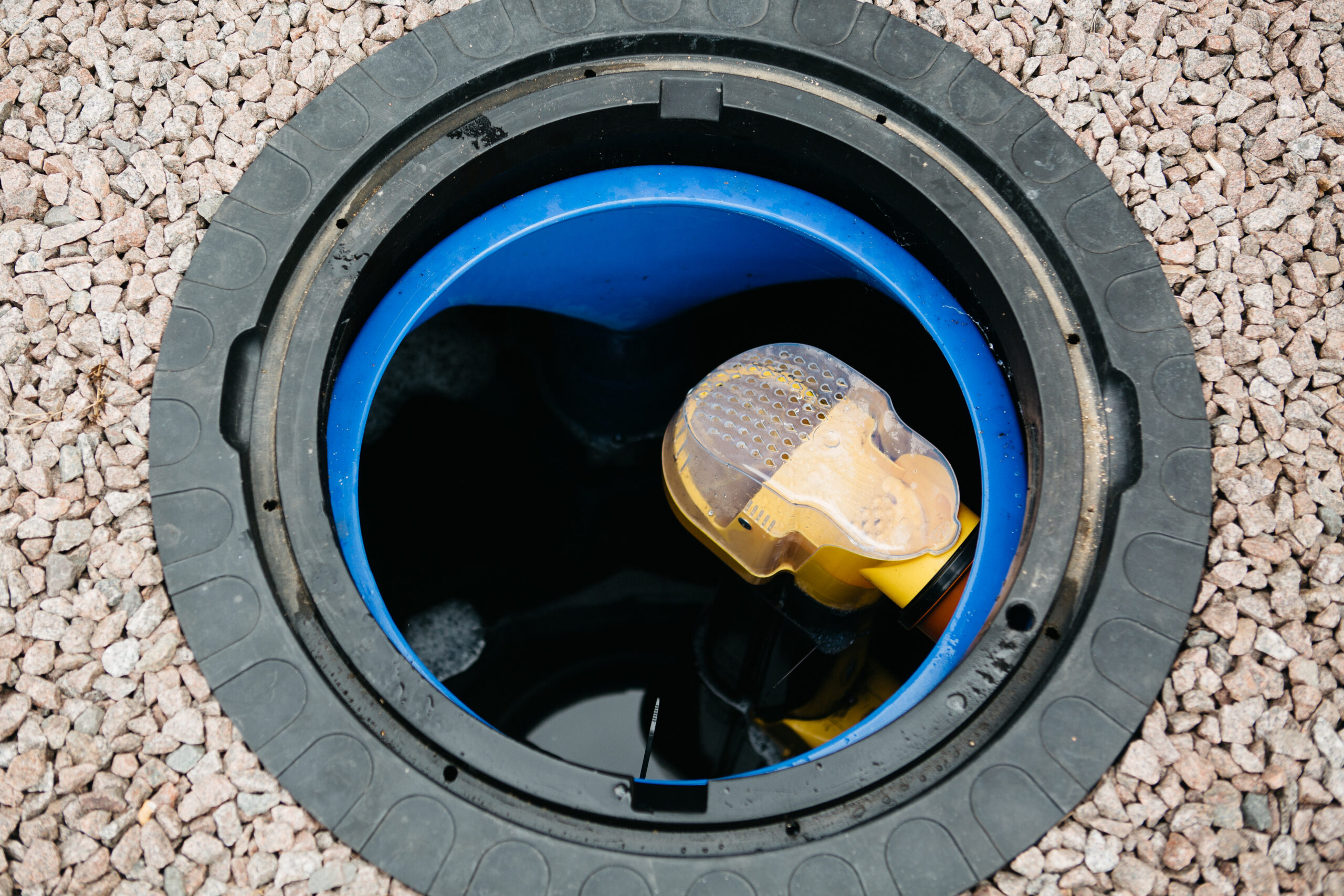
- Capture water from your roof
- Store it for when you need it
- Give you a reliable, accessible supply
From there, it’s just a matter of using it consistently—whether for seedlings, pots, or general garden use.
Final Thoughts
Allotment gardeners already understand the value of planning, patience, and working with nature.
Collecting rainwater is just an extension of that approach.
It won’t eliminate every challenge—but it will make watering easier, improve plant health, and help you stay one step ahead when conditions get tough.
And sometimes, that small edge is what turns a good growing season into a great one.
About Author