Information
Hosepipe Bans Are Back – Is It Time to Rethink How We Use Water?
Across England, millions of households are once again affected by hosepipe bans as prolonged hot, dry weather places increasing pressure on the country’s water supplies.
For many homeowners, this means putting away the garden hose, delaying car washing, and watching carefully maintained gardens struggle through another dry summer.
While temporary restrictions are designed to protect essential drinking water supplies, they also raise an important question:
Why are we using treated mains water for jobs that don’t actually require drinking-quality water?
The answer lies in one of nature’s most reliable resources—rain.
What Is a Hosepipe Ban?
A hosepipe ban, officially known as a Temporary Use Ban (TUB), is introduced by water companies when water demand exceeds available supply.
During prolonged periods of dry weather, reservoir levels, rivers and groundwater supplies begin to fall while household water consumption increases dramatically.
Common restrictions include:
- Watering gardens with a hosepipe
- Filling paddling pools and swimming pools
- Washing vehicles using a hosepipe
- Cleaning patios and driveways
- Using sprinklers and irrigation systems
These measures help ensure sufficient water remains available for drinking, cooking, healthcare and emergency services.
Although they are temporary, hosepipe bans are becoming increasingly familiar across the UK.
Why Are Hosepipe Bans Becoming More Frequent?
Climate change is changing the way rainfall occurs in the UK.
Instead of consistent rainfall throughout the year, we are seeing:
- Longer, hotter summers
- Extended dry periods
- More intense downpours
- Increased pressure on public water supplies
Ironically, the UK still receives a significant amount of annual rainfall—it simply isn’t stored effectively.
Most rainwater falls onto roofs before disappearing into drains and watercourses within minutes.
Rather than allowing this valuable resource to go to waste, homeowners and businesses can capture and reuse it through rainwater harvesting systems.
What Is Rainwater Harvesting?
Rainwater harvesting is the process of collecting rainwater from roofs and storing it for future use.
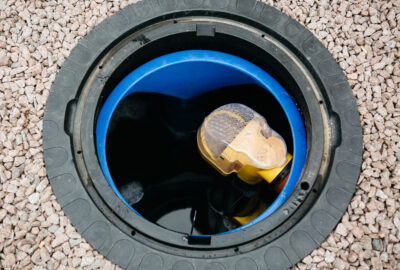
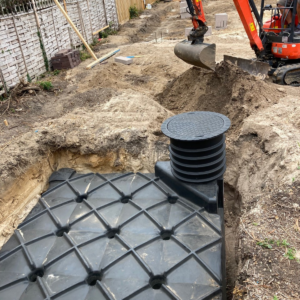
A typical rainwater harvesting system captures water through roof gutters before storing it in a water butt, above-ground storage tank or underground rainwater tank.
The stored water can then be used for a variety of everyday applications, including:
- Watering gardens
- Washing cars
- Cleaning patios
- Irrigation
- Toilet flushing
- Laundry
These activities do not require drinking-quality water, making rainwater harvesting an efficient and sustainable alternative to using mains water.

How Rainwater Harvesting Helps During Hosepipe Bans
One of the biggest advantages of rainwater harvesting is resilience.
Rainwater collected before a hosepipe ban can often continue to be used for permitted applications because it has already been harvested rather than taken from the mains water supply.
This allows homeowners to keep gardens healthy while reducing pressure on public water supplies.
Instead of relying solely on unpredictable weather, you’re making use of the rainfall you’ve already received.
The Benefits of Rainwater Harvesting
Installing a rainwater harvesting system offers benefits throughout the year—not just during periods of drought.
Reduce Mains Water Consumption
Every litre of rainwater used is one less litre of treated drinking water required for non-potable tasks.
Lower Water Bills
For homes with water meters and commercial premises, harvesting rainwater can reduce overall mains water usage and associated costs.
Protect Your Garden
Rainwater provides a reliable supply of water during dry periods, helping lawns, borders and vegetable gardens remain healthy
Improve Sustainability
Rainwater harvesting supports sustainable water management by reducing demand on local water infrastructure and making better use of natural rainfall.
Reduce Surface Water Runoff
Capturing rainwater also helps reduce storm water runoff, easing pressure on drainage systems during periods of heavy rainfall.
Preparing for the Future
Water scarcity is no longer a problem confined to hotter climates.
With hosepipe bans becoming more common across the UK, investing in rainwater harvesting is an increasingly practical way to reduce dependence on mains water while protecting your property against future restrictions.
Whether you’re installing a simple garden water butt or a fully integrated rainwater harvesting system, every drop collected today is water available tomorrow.
Speak to Rainwater Harvesting Specialists
Choosing the right rainwater harvesting system involves more than selecting a storage tank.
The most effective systems are designed around your property’s roof area, water demand, available storage space and intended applications.
Whether you’re a homeowner looking to save water or a developer planning an installation, expert advice ensures you invest in a solution that delivers long-term performance and value.
As hosepipe bans become an increasingly regular feature of UK summers, there has never been a better time to start making every drop count.

+
Can I use rainwater during a hosepipe ban?In many cases, yes. Water collected and stored before restrictions can often be used because it is not being taken from the mains water supply. Always check the specific guidance issued by your water company.
+
Is rainwater harvesting worth it in the UK?Yes. Although the UK experiences dry periods, it also receives substantial annual rainfall, making rainwater harvesting an effective way to reduce mains water use throughout the year.
+
What can harvested rainwater be used for?Harvested rainwater is suitable for watering gardens, washing vehicles, cleaning outdoor areas, irrigation, toilet flushing and laundry.
About Author